Commercial Waste Removal in Poplar

Commercial waste removal in Poplar should be straightforward, well organised and suited to the sort of waste a business produces week after week. We provide a practical service for offices, shops, landlords, hospitality premises and other commercial sites that need clearance of mixed waste, bulky items and recyclable materials. The emphasis is on collecting waste in a way that supports day-to-day trading, keeps premises usable and makes it easier to handle disposal without unnecessary disruption.
Our service covers regular and one-off collections, with support for items that are awkward to store, move or sort. That may include general commercial rubbish, broken furniture, packaging, redundant office contents and other non-hazardous materials collected from the working environment. If you are comparing options, think about the type of waste, the volume involved and how access works on site. You can request a quotation when you are ready, or use the information below to decide which service page best fits your needs.
For businesses that want a clearer starting point, the most useful next step is usually to look at the specific service that matches the waste stream. Where a collection involves mixed premises waste, an office move-out or a more itemised clearance, the correct approach depends on what is present, how it is stored and whether any separate materials need to be handled differently. Tell us what needs removing, and we can help you identify the most suitable arrangement.
Waste collections for commercial premises
Commercial waste removal is not just a matter of lifting bags and loading them into a vehicle. A sensible collection plan takes account of how your site operates, whether waste is stored in one area or spread across several floors, and whether items need to be moved through shared entrances or busy internal routes. For that reason, a well-planned collection can be especially useful for offices, retail units, managed buildings and property professionals who want waste taken away with as little interruption as possible.
If your waste is mainly from office activity, our office clearance service is the most relevant starting point. That kind of work often includes desks, chairs, filing cabinets, IT peripherals and general office contents, all of which need sensible handling and clear sorting. For a wider business collection that includes routine waste and mixed commercial materials, the main service page on business waste removal gives a useful overview of the kind of work we can support.
Bulky items, furniture and mixed contents

Many commercial sites generate bulky waste as well as bagged rubbish, and the clearance method needs to reflect that. Furniture, fixtures and redundant stock can take up a great deal of room and may need careful removal from storage rooms, back offices or customer-facing spaces. We can deal with a range of heavy or awkward items as part of a commercial clearance, provided they fit the scope of the chosen service and are suitable for normal removal and disposal arrangements.
If the job involves broken seating, tired reception furniture or discarded workstations, the linked pages for furniture clearance and furniture disposal explain the related service types. Where the items are soft seating or mattress-related, mattress and sofa disposal is a better match. For hard-wearing office furnishings or items from a larger clear-out, these pages help you decide whether the work is mainly a furniture job or part of a wider commercial collection.
It is often useful to separate what can be kept in place from what must go. A short list of items, a rough idea of quantities and information about lift access or stairs can make the quotation process more accurate. If you are managing a larger clearance, you can start with the main service, then narrow the scope by item type. That approach saves time and makes it easier to match the removal method to the waste itself.
Office, property and building-related clearances
Some commercial waste removal jobs are best understood as part of a larger clearance rather than as a simple waste collection. Offices, empty units, storage rooms and properties being prepared for new occupants may contain a mix of furniture, general rubbish, bagged waste and miscellaneous contents. In those cases, the practical questions are usually about access, item type and the amount that needs to leave the site in one visit.
For premises that need a broader internal clearance, the pages for house clearance, home clearance and flat clearance can be relevant where the material is domestic rather than commercial. A landlord or managing agent with an unused storage area may also find garage clearance useful if the waste includes accumulated items, tools or old fixtures stored away from the main workspace. Each page describes a different clearance context, so it is easier to choose the right route before making an enquiry.
Where the work is connected with a move, refit or end-of-tenancy style handover, the key is to be clear about what is staying, what is going and what can be reached safely. A simple inventory helps, as does a note about loading conditions if items are on upper floors or tucked behind fitted furniture. Photographs can help, but they work best when they are paired with a short description of the main waste types rather than used on their own.
Specialist waste streams and separated items

Not every commercial clearance consists of generic rubbish. Some sites generate waste that needs to be separated by material, condition or handling category before collection. That might include broken appliances, confidential paperwork, or items that are no longer fit for normal use but still need to be removed carefully. Sorting those items in advance can make the collection smoother and helps avoid unnecessary delays when the team arrives on site.
If your waste includes appliances, the page for fridge and appliance removal is the best place to start. For documents and records that should be destroyed securely, see confidential shredding. Businesses dealing with materials that need extra caution can also review hazardous waste disposal, although the suitability of that service depends on the exact item and the information provided. These pages help distinguish ordinary clearance work from more specific disposal needs.
A useful rule is to separate the waste by category before you ask for a price. Keep together the items that are clearly general waste, note anything that is electrical, and identify anything that may require particular handling. If you are unsure whether something belongs in a specialist stream, a short description is better than trying to force it into the wrong category. That keeps the conversation practical and leads to a more accurate quotation request.
Prices, access and how quotations are assessed
Commercial waste removal prices are usually influenced by the amount collected, the type of material involved, the number of items, and how easy it is to load them from the premises. Access matters because collections from ground-floor storage are often simpler than removals from upper floors, basement rooms or buildings with shared entrances. If the waste is already gathered in one place, that can also affect the work needed on the day. None of these details should be guessed, because a quotation is only useful when it reflects the actual job.
The most relevant starting points for pricing information are the dedicated pages for pricing and quotes and book online, which are helpful if you want to see how enquiries are handled on the site. If you need to understand the practical side of collection methods and what belongs in a disposal load, what can go in a skip offers a useful comparison point, even where a skip is not the solution you want. These pages can help you think through scope before you request a quotation.
When you are ready, keep your request simple and concrete: what needs removing, where it is stored, and whether there are any access constraints. A short description is usually enough to begin with. You do not need a long explanation, but clear details are better than broad phrases such as “a lot of waste†or “some old stuffâ€. If you are unsure, start with a brief note and add more detail later if asked.
Commercial properties, sustainability and handling choices
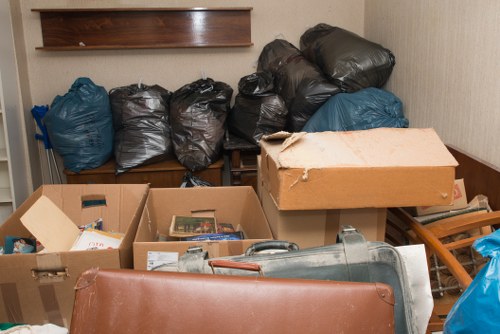
For many businesses, waste removal is also about deciding what should be separated, recycled or cleared away together. The right choice depends on the material, the condition of the items and whether the waste can be grouped sensibly before collection. A tidy setup can reduce the time needed on site and makes it easier to keep commercial spaces organised while items are waiting to be removed.
Where environmental handling is part of the conversation, the page on recycling and sustainability gives a relevant overview of the company’s stated approach. It is useful for customers who want to understand how waste streams may be treated once collected. For site safety and service standards, insurance and safety and health and safety policy can also help explain the framework around the work. These pages are more relevant when a site has shared access, busy circulation routes or items that need careful movement.
Useful preparation is usually modest rather than complicated. Put aside the items that definitely need to go, make access to them as easy as possible and note anything that could slow the collection, such as narrow stairways or items stacked behind other stock. If you are clearing a trading space, it is also sensible to think about whether some contents will remain in use while others leave. That level of clarity can make a quotation easier to prepare and compare.
About Poplar
Poplar is a district in the East End of London within the London Borough of Tower Hamlets, shaped by its long connection to the Thames, dockland industry and later regeneration. Historically part of the ancient parish of Stepney, it grew as a riverside settlement tied to maritime trade, engineering and the working life of the docks. The area sits close to the Isle of Dogs and Canary Wharf, but it retains its own identity through a mix of older streets, council estates, newer developments and civic spaces. Poplar High Street and nearby routes reflect that layered history, while the district’s built environment ranges from surviving historic terraces and public buildings to twentieth-century housing estates and modern commercial blocks. Nearby Limehouse Cut, the docks and canal network underline how closely water shaped the area’s development. Architecture in Poplar often tells the story of different eras side by side, from post-war reconstruction to contemporary urban change. The district also sits within a broader cultural landscape that includes the waterways, transport links and communities of Tower Hamlets, giving it a character that is both local and connected to central and east London. Green and open spaces such as Langdon Park and Poplar Recreation Ground provide everyday communal space, while the surrounding borough offers museums, markets and riverside paths that help define the wider setting. The result is a place with a distinctly urban feel, but one that still carries traces of the docklands world that shaped much of east London’s growth.
Domestic items and non-commercial clearances

Although the main focus here is commercial waste removal, some customers also need help with contents that come from mixed-use properties, rented accommodation or small business premises that include domestic items. In those situations, the relevant page may be one of the household-style clearances rather than a business collection. The purpose is to keep the request aligned with the actual waste stream, because that makes it easier to choose the right service and discuss the work accurately.
For mixed contents, the pages for loft clearance, builders waste clearance and garden clearance can be helpful depending on the type of material involved. A loft may contain stored household items, boxes and obsolete fittings; builders’ waste is more likely to include rubble, packaging and renovation debris; garden work may involve soil, cuttings, timber and outdoor debris. Each has different practical requirements, so the page choice depends on what is actually there rather than on the overall size of the job.
If your enquiry combines several waste types, note the main category first and then mention the rest. That makes it easier to decide whether one collection route is enough or whether different items need to be separated before the work begins. When you are ready to move forward, keep your request concise and ask for a quotation based on the exact waste, the access conditions and the collection location.
Making a clear enquiry
A good quotation request for commercial waste removal in Poplar usually contains only a few essentials: the kind of waste, the approximate amount, where it is stored and any special access details. If the collection includes furniture, appliances, confidential material or anything that may need separate handling, it is worth naming those items directly. That information helps keep the conversation practical and reduces the need for back-and-forth later on.
The enquiry pages at contact us and about us are the most direct places to continue once you have decided what needs removing. If you still want to compare service scope first, it can also help to revisit the relevant clearance page so that your request matches the type of work needed. Either way, the aim is the same: a straightforward, accurate enquiry that reflects the waste in front of you rather than a vague description.
Need a quotation? Use the relevant service page, add the key details and send the request when you are ready. If you want the simplest route, begin with the main commercial waste removal service and then refine from there using the supporting pages above.